Steph Terry • February 13, 2024

The Clear Advantage: Elevating Your Ride with a Clear Bra for Cars

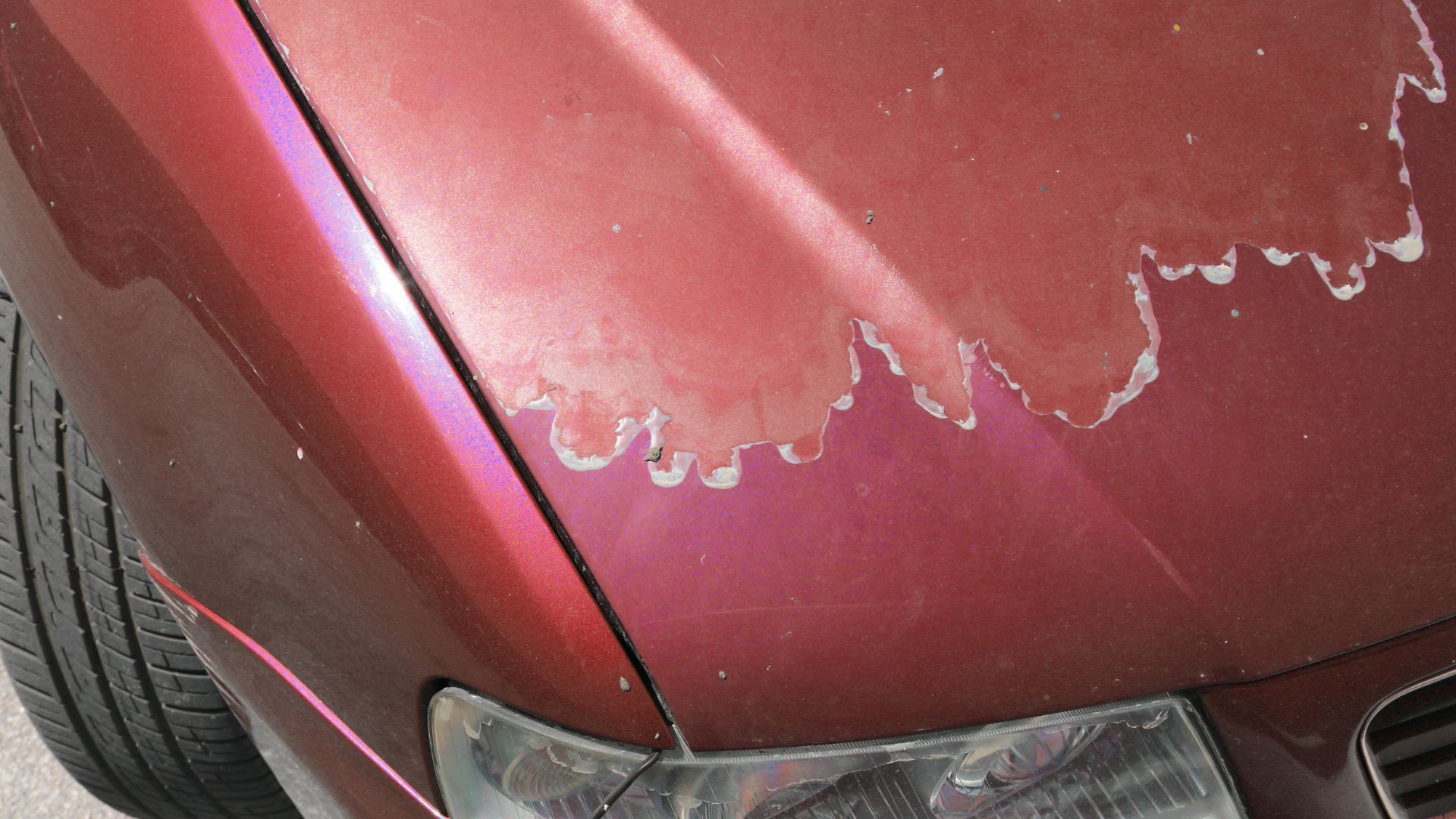
A clear bra for cars (also known as paint protection film or PPF) is a transparent layer of polyurethane that’s expertly applied to a vehicle's exterior surfaces. This thin, robust, and formidable shield protects a car’s pristine paintwork from debris, stone chips, bug splatter, bird droppings, and much more! Meticulously custom-fitted to your vehicle’s contours, the clear bra delivers seamless protection without sacrificing its sleek appearance. Let’s see how an expertly cut, professionally installed clear bra can help you ride in style for years to come! 


1. Unseen Threats on the Road 

As you hit the road, your car faces a wide variety of elements that can cause irreversible damage to your paintwork. Tiny stones propelled by passing vehicles, insects flying aimlessly, and harsh onslaughts of weather all lead to gradual wear, tear, and scratches on your car's paint. The clear bra formidably and skillfully absorbs many potential threats, keeping them from leaving a lasting mark. Think of an invisible guardian, ensuring your car maintains its pristine appearance in the face of unseen dangers. 


2. Preserving Resale Value 

For discerning car owners, their car’s resale value is significantly important. A well-maintained and shielded car stands out in the competitive used car market, commanding a higher price. The clear bra plays a crucial role, safeguarding the original paintwork so your car maintains its timeless aesthetic appeal. Prospective buyers lean towards vehicles that reflect meticulous care, and a clear bra for cars exemplifies any vehicle's preserved beauty. 


3. Cost-Effective Protection 

A clear bra installation can be a cost-effective solution in comparison to the expenses of repainting and repairing damage from road debris. An upfront investment in this protective film is a wise financial strategy, shielding you from many potential costs. With such long-term savings, the best collision experts endorse clear bras as a proactive measure to prevent an unnecessary visit to your auto body shop. 


4. Customization and Invisible Shield 

A standout advantage of clear bra's technology for cars lies in its versatile customization options. This innovative film can be precision-tailored to cover your car across its front bumper, hood, fenders, mirrors, and more. This personalized approach concentrates protection where it's most crucial. Plus, a clear bra’s virtual invisibility skillfully mitigates any distractions from your car’s inherent beauty. By seamlessly blending with the paint, it creates an invisible shield that works its magic without compromising on aesthetics. 


5. Professional Installation Matters 

While clear bra kits sometimes work for DIY enthusiasts, a professional installation’s craftmanship cannot be ignored. At Morrow Collision Center, our team is made up of skilled technicians who specialize in preventive techniques like clear bras and ceramic coatings.   


Going with a professional installation guarantees that the film adheres seamlessly to your car’s unique curves without any visible seams or bubbles. Leaving an installation to seasoned professionals will make sure your new clear bra yields its intended benefits for the long haul. 


Choose a Clear Bra for Cars that Doesn’t Cut Corners! 

Investing in the protection of your vehicle is an investment in its longevity and aesthetic appeal. Our team of skilled technicians ensures that your car receives top-notch, seamless protection with precise clear bras. Choose Morrow Collision Center—where skilled technicians craft a seamless shield — to preserve your vehicle's beauty and longevity.


Share


More Blog Posts
March 16, 2026
As winter fades and warmer weather returns, many drivers feel relieved to leave icy roads and snowstorms behind. But spring brings its own unique driving hazards — and accident rates can actually increase during seasonal transitions. From potholes and slick roadways to increased traffic and unpredictable weather, spring driving requires renewed awareness. At Morrow Collision Center , we see firsthand how seasonal changes impact road safety. Taking proactive steps now can help you avoid accidents, protect your vehicle, and drive confidently into the warmer months. Winter Damage Doesn’t Disappear Overnight Even though the snow may be gone, winter leaves behind conditions that can affect your vehicle and the roads you travel. Freeze-thaw cycles often create potholes, cracks, and uneven pavements. Hitting a pothole at full speed can damage tires, suspension systems, and alignment, and in some cases, lead to loss of vehicle control. Spring is a smart time to inspect your vehicle for hidden winter damage. Check your tires for uneven wear, confirm proper tire pressure, and schedule an alignment if your steering feels off. Small maintenance steps can significantly reduce your risk of accidents. Watch for Wet and Slick Roads Spring showers may seem harmless compared to snowstorms, but wet roads create dangerous driving conditions. After a long winter, oil and debris accumulate on road surfaces. When rain first falls, it mixes with those residues, creating especially slick conditions. Hydroplaning becomes a real concern during heavier rainfall. Slowing down, increasing following distance, and ensuring your tires have proper tread depth are simple ways to reduce risk. If your windshield wipers streak or struggle during rain, replacing them can also improve visibility. Increased Traffic and Pedestrian Activity Warmer weather encourages more people to be outdoors. That means more pedestrians, cyclists, and motorcyclists sharing the road. Construction projects also ramp up in spring, leading to lane closures and detours. Staying alert in school zones, residential neighborhoods, and construction areas is essential. Reduced speeds and extra caution help prevent collisions during these busier months. Deer and Wildlife Activity Spring is also a time of increased wildlife movement. Animals that were less visible during winter may begin crossing roadways more frequently. Early morning and dusk are especially high-risk times. If you spot wildlife near the road, slow down but avoid swerving sharply, as that can lead to more serious accidents. Staying attentive and scanning road edges can give you extra reaction time. Address Minor Damage Before It Becomes Major Winter weather often leaves behind small dings, chips, or paint damage that drivers put off repairing. However, untreated damage can worsen with spring moisture and temperature changes. Rust can form quickly when exposed metal is left unprotected. Repairing minor cosmetic damage early helps preserve your vehicle’s value and prevents more extensive repairs later. It also ensures your vehicle is structurally sound if another incident occurs. Refresh Your Defensive Driving Habits Seasonal transitions are a good reminder to refresh safe driving habits. Maintain safe following distances, use turn signals consistently, and avoid distractions like texting while driving. Spring sunshine can also create glare, especially during sunrise and sunset, so keeping your windshield clean and wearing sunglasses can improve visibility. Defensive driving remains one of the most effective ways to prevent accidents, no matter the season. If an Accident Happens, Choose a Trusted Collision Partner Even with the best preparation, accidents can still happen. If your vehicle sustains damage this spring, choosing a trusted repair facility makes all the difference. At Morrow Collision Center, our experienced team is committed to restoring your vehicle safely and efficiently. From minor dents to major collision repairs, we use quality materials and precise repair techniques to bring your vehicle back to pre-accident condition. We understand that accidents are stressful. That’s why we focus on clear communication, expert workmanship, and getting you back on the road as quickly as possible. Drive Safely This Spring Spring marks a fresh start, and that includes your driving habits. By staying aware of seasonal hazards, maintaining your vehicle, and practicing defensive driving, you can significantly reduce your risk of accidents after winter. If you need collision repair or have concerns about winter-related vehicle damage, contact Morrow Collision Center today. Come see us at our new Southwest Lincoln location at 1241 Aries Drive! We’re here to help you drive safely and confidently all season long.
February 17, 2026
Being involved in an accident is stressful enough without the added uncertainty of not knowing what happens next. For many drivers, the collision repair process can feel confusing, especially if it’s their first time dealing with vehicle damage, insurance claims, and repair timelines. At Morrow Collision Center , helping customers feel informed and confident is just as important as delivering high-quality repairs. This guide walks through the collision repair process step by step, from the initial estimate to the moment you pick up your fully repaired vehicle. Step 1: Scheduling an Estimate The collision repair process begins with an estimate. This is an assessment of the visible damage to your vehicle and an initial projection of the repairs needed. During this step, technicians evaluate areas such as body panels, bumpers, lights, and structural components that may have been impacted in the accident. In many cases, damage beneath the surface may not be immediately visible. An estimate provides a starting point for repairs, but it may be updated later if additional damage is discovered during disassembly. Clear communication during this phase helps set expectations for cost, scope, and timeline. Step 2: Insurance Coordination After the estimate is completed, the next step often involves working with your insurance company. Collision repair shops frequently coordinate directly with insurers to submit estimates, photos, and documentation needed for claim approval. This process helps ensure repairs align with insurance guidelines while still meeting safety and quality standards. While insurance companies play a role in the approval process, vehicle owners have the right to choose where their repairs are completed. Step 3: Vehicle Disassembly and Damage Review Once repairs are approved, the vehicle is partially disassembled, so technicians can inspect areas that are not visible during the initial estimate. This step allows the repair team to identify any hidden damage to structural components, safety systems, or internal parts. If additional repairs are required, a supplemental estimate may be created and submitted for approval. While this can slightly impact timelines, it ensures that all damage is properly addressed rather than overlooked. Step 4: Structural and Body Repairs After the full scope of damage is confirmed, structural and body repairs begin. This may include straightening the frame, repairing or replacing damaged panels, and restoring the vehicle’s shape and integrity. Precision is critical during this stage. Modern vehicles are designed with advanced safety systems and specific structural tolerances, so repairs must be completed accurately to maintain crash protection and performance. Step 5: Paint Preparation and Refinishing Once structural and body repairs are complete, the vehicle moves into paint preparation. Surfaces are cleaned, sanded, and primed to ensure proper adhesion and a smooth finish. Paint is then carefully matched to your vehicle’s original color using advanced color-matching technology. At Morrow Collision Center, we take that precision a step further with MoonWalk automated paint mixing technology, a system designed to deliver extremely accurate, consistent mixes every time. In fact, we’re proud to have the 1st and 2nd MoonWalk systems in Nebraska, which helps us achieve a cleaner color match, better blend accuracy, and a factory-quality finish across every panel. After painting, a clear coat is applied to protect the finish and provide long-lasting durability. Step 6: Reassembly and Quality Control After painting, the vehicle is reassembled. This includes reinstalling trim, lights, mirrors, and any mechanical or electronic components that were removed during repairs. Quality control checks are performed to verify that repairs meet safety standards and manufacturer guidelines. Technicians inspect panel alignment, paint finish, and functionality of vehicle systems to ensure everything is operating properly before the vehicle is returned to the owner. Step 7: Final Inspection and Vehicle Pickup The final step is a thorough inspection and detailing of the vehicle. Once complete, customers are notified that their vehicle is ready for pickup. At this point, the repair team may review the completed work, answer any questions, and provide guidance on care recommendations following repairs. The goal is to ensure customers leave with confidence, knowing their vehicle has been repaired correctly and safely. Why Understanding the Process Matters Knowing what to expect during the collision repair process helps reduce stress and uncertainty. From estimate to finish, each step plays an important role in restoring your vehicle’s safety, appearance, and performance. At Morrow Collision Center, transparency and clear communication are key parts of the customer experience. Understanding the process empowers vehicle owners to make informed decisions and feel confident throughout their repair journey. Trusted Collision Repair You Can Count On If your vehicle has been damaged in an accident, choosing the right repair shop matters. With experienced technicians and a commitment to quality workmanship, Morrow Collision Center is dedicated to guiding customers through every step of the collision repair process. Contact Morrow Collision Center today to schedule an estimate and learn more about how we can help restore your vehicle from estimate to finish. Check out our new location in Southwest Lincoln located at 1241 Aries Dr, Lincoln, NE 68512!