
Steph Terry • November 28, 2023

The Process of Repairing a Paint Scratch

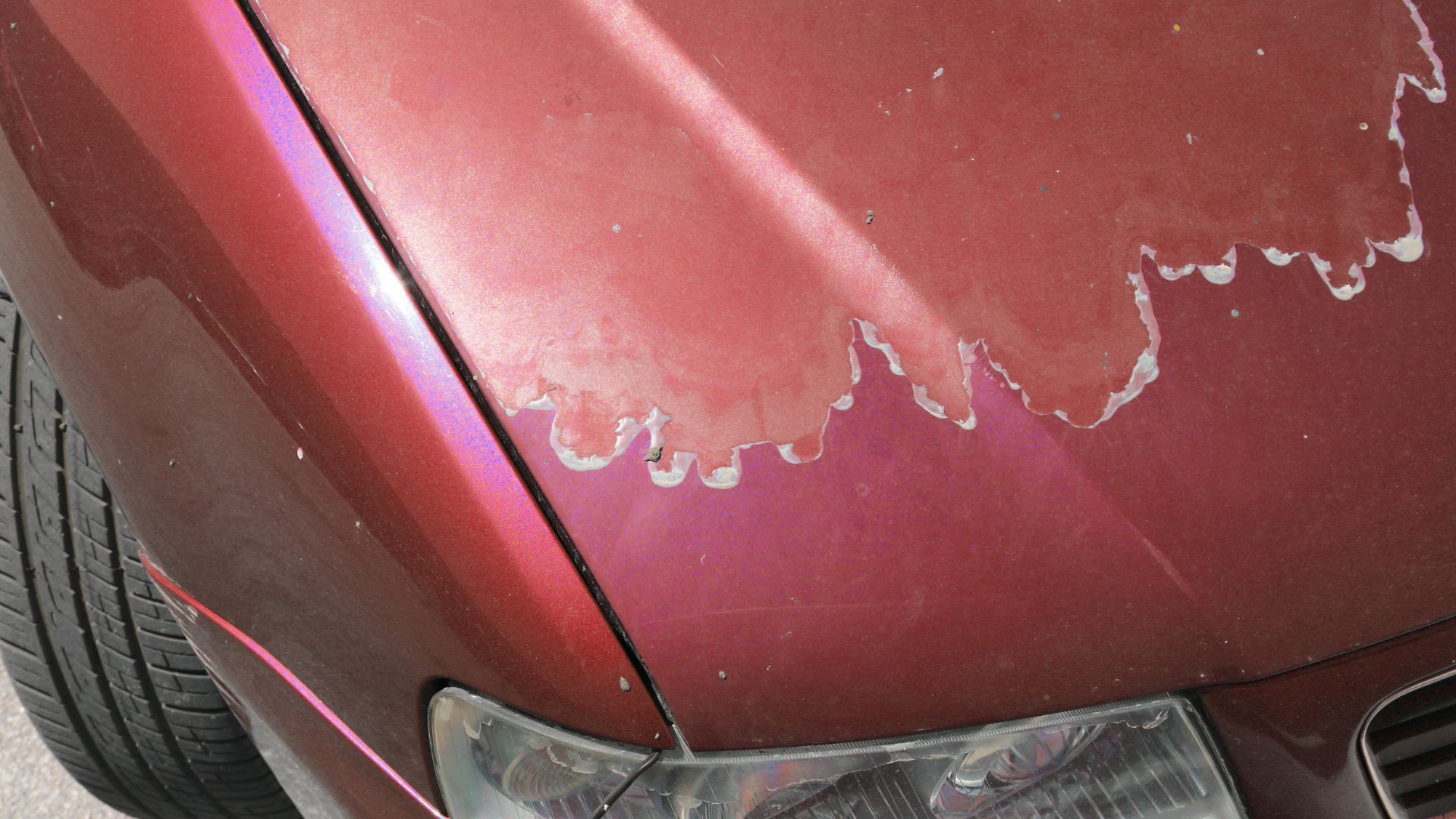
At Morrow Collision, we understand the frustration of discovering a paint scratch on your beloved vehicle. Whether it's a minor blemish or a more significant mark, repairing a paint scratch can seem daunting. However, with the right knowledge and professional assistance, restoring your car's finish can be a straightforward and satisfying experience. We’ll guide you through a paint scratch repair, and how our experienced technicians tackle this problem head on. 


1. Identifying the Severity of the Scratch 

The first step in repairing a paint scratch is determining the damage’s severity. Not all scratches carry the same underlying damage, so understanding the issue is necessary to identify the best repair. Minor surface scratches may only require a simple touch-up, while deeper scratches could necessitate more extensive refinishing. 


Our skilled technicians at Morrow Collision employ advanced techniques to assess the depth and scope of the scratch. This accurate diagnosis means that each repair is done correctly and that you won't encounter receding paintwork down the road. 


2. Surface Preparation 

Following an assessment, the next critical step is surface preparation. This involves cleaning the affected area to remove any dirt, debris, or contaminants that could interfere with the repair process. A thorough cleaning ensures a smooth and seamless application of the repair materials, enhancing the overall effectiveness of the restoration. 


Our technicians use specialized cleaning agents and techniques to prepare the surface for the subsequent repair steps. This meticulous preparation is essential to achieve a flawless finish that blends seamlessly with the surrounding paint. 


3. Application of Paint 

With the surface prepared, the next main part of the repair process is applying the paint. Depending on the scratch's size and depth, this may involve touch-up paint, a clear coat, or a combination of both. Additionally, precisely matching the color is a must to achieve a seamless repair, and the best technicians use advanced color-matching technology to ensure an accurate and harmonious result. 


Experience here is key, as the wrong selections or paintwork results in a tawdry exterior, requiring another visit to the shop. Whether it's a small chip or a more extensive scratch, our team has the expertise and tools to apply the necessary paint layers, restoring your vehicle's appearance to its former glory. 


4. Blending and Finishing Touches 

After the paint application, the focus shifts to blending and adding finishing touches to the repaired area. This involves carefully feathering the edges of the repair to seamlessly integrate it with the surrounding paint. Our technicians employ precise techniques to smoothly transition between the repaired section and the original paint, ensuring an aesthetically pleasing result. 


Now, any imperfections are addressed, and an additional clear coating may be applied to enhance durability and provide a protective layer against environmental elements. 


5. Future Protection 

Beyond the immediate repair, great technicians take a forward-thinking approach by emphasizing future protection for your vehicle's finish. Too often, average paintwork neglects to consider the road debris, UV rays, and harsh weather conditions that you’ll eventually encounter on the road. This proactive step enhances each repair’s longevity and resilience. 


We believe in providing comprehensive solutions to preserve your car beyond the immediate fix. For example, our technicians may recommend and apply protective coatings, such as ceramic coatings or clear bra films, to add an extra layer of defense against environmental damage. 


Leave Paint Scratch Repairs to the Professionals 

Repairing a paint scratch is a meticulous and multi-step procedure to restore your vehicle's appearance to its previous condition. From identifying the scratch's severity to the final blending and finishing touches, our skilled technicians deliver high-quality results. 


If you're facing the all-too-common frustrations of a paint scratch, trust Morrow Collision to provide expert care and precision. Your satisfaction is our priority, and we take pride in bringing back the shine to your cherished vehicle. No matter the situation, we’ll put our heart and soul into your repair, guaranteeing that you're prepared for miles to come. 


Share


More Blog Posts
January 16, 2026
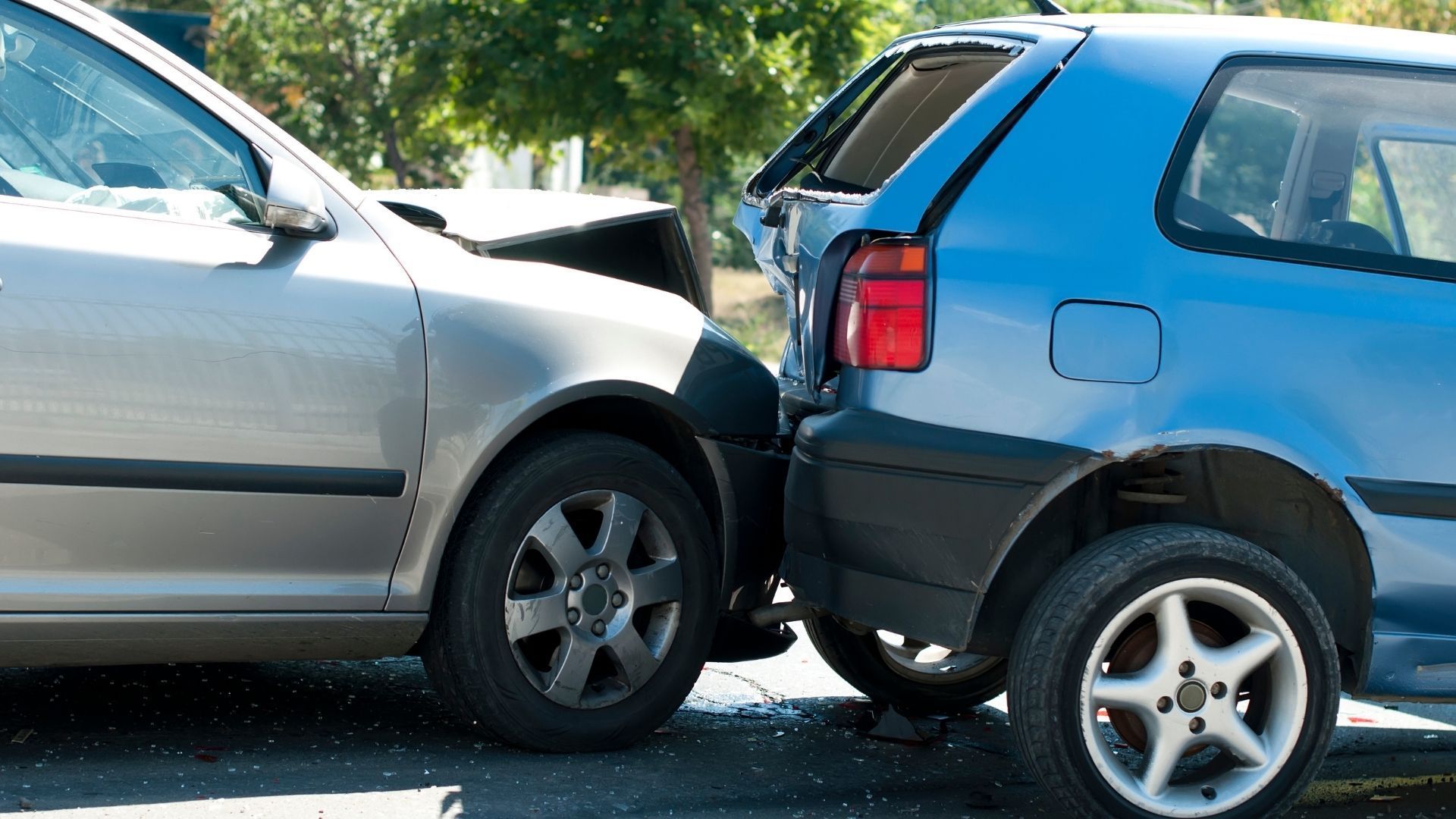
Winter driving doesn’t always result in a major accident, but that doesn’t mean your vehicle escapes unscathed. Snow, ice, freezing temperatures, and slick road conditions often lead to winter collision damage that drivers may not notice right away. At Morrow Collision , we regularly see vehicles come in during winter months with damage caused by minor impacts that went unnoticed at the time. Understanding how winter conditions affect your vehicle can help you recognize issues early and avoid more serious repairs later. Why Winter Causes Hidden Vehicle Damage Winter conditions increase the likelihood of low-speed impacts and sudden jolts. Sliding into a curb, brushing against a snowbank, or hitting a pothole hidden under snow may not seem serious, but these incidents can still affect your vehicle’s structure and performance. Cold temperatures can also make materials more brittle, meaning parts may crack or shift more easily during winter impacts. As a result, winter collision damage is often less visible but just as important to address. Common Types of Winter Collision Damage Suspension and Alignment Issues One of the most common types of winter collision damage involves suspension and alignment. Sliding on ice or striking a curb can knock wheels out of alignment or stress suspension components. You may notice subtle signs such as your vehicle pulling to one side, steering feeling less responsive, or uneven tire wear. These issues can worsen over time if not addressed. Bumper and Reinforcement Damage Modern bumpers are designed to absorb impact, even during low-speed collisions. Hitting ice piles, snowbanks, or another vehicle can damage internal bumper components without leaving obvious exterior damage. Damage to bumper reinforcements can reduce your vehicle’s ability to protect you in a future collision, making professional inspection especially important during winter months. Underbody Damage from Hidden Road Hazards Snow-covered roads often hide potholes, ice chunks, and debris. Impacts underneath the vehicle can damage splash shields, exhaust components, or structural areas. Underbody winter collision damage may lead to rattling noises, leaks, or increased corrosion if left unaddressed. Advanced Safety System Misalignment Many vehicles rely on cameras and sensors for safety features such as collision warnings and driver-assist systems. Even minor winter impacts can affect sensor alignment or accuracy. While warning lights don’t always appear immediately, misaligned systems can reduce effectiveness and compromise vehicle safety. Why Winter Is the Right Time for a Damage Inspection January is one of the busiest months we see for winter collision damage inspections. Road conditions are often at their worst, and vehicles are under constant stress from cold temperatures and slick surfaces. A professional inspection during winter can: Identify damage that isn’t visible from the outside Catch alignment or suspension issues early Ensure safety systems are functioning properly Prevent minor damage from turning into major repairs Provide documentation for insurance claims if needed Addressing issues promptly helps maintain safety and reliability throughout the winter season. What Happens If Winter Collision Damage Is Ignored? Ignoring winter collision damage can lead to increased wear on tires, reduced fuel efficiency, handling issues, and higher repair costs later. Structural or suspension problems may worsen with continued winter driving, especially when roads remain icy and uneven. What starts as a minor winter incident can quickly become a more serious mechanical or safety concern. How Morrow Collision Helps During the Winter Months At Morrow Collision, we understand the unique challenges winter driving places on vehicles. Our team is experienced in identifying and repairing damage caused by icy conditions, low-speed impacts, and hidden road hazards. We focus on thorough inspections, quality repairs, and restoring your vehicle to proper condition so it’s safe and reliable for continued winter driving. Whether damage is obvious or hidden, our goal is to ensure nothing is overlooked. When Should You Have Your Vehicle Checked? If your vehicle has slid, hit a curb, or been involved in any type of winter incident, even if it seemed minor, it’s worth having it inspected. Changes in how your vehicle handles, unusual noises, or visible damage are all signs that winter collision damage may be present. Even if you’re unsure, a professional evaluation can provide peace of mind. Stay Confident on the Road This Winter We’re excited to better serve Lincoln with our new southwest location! Morrow Collision is now open at 1241 Aries Dr, Lincoln, NE 68512 , making it even more convenient to get expert collision repairs you can trust. Whether you’ve been in a minor fender bender or need more extensive repairs, our experienced team is ready to help, now closer to home for our southwest Lincoln neighbors. Contact Morrow Collision today to schedule a winter damage inspection and make sure your vehicle is ready for the rest of the season.
December 11, 2025
Winter in Nebraska brings beauty, snow‑covered landscapes, cozy evenings, and holiday cheer. But for drivers, winter also brings challenges: icy roads, reduced visibility, surprise snowstorms, and slick pavement. At Morrow Collision , we know that a little preparation and cautious driving can make all the difference between a safe trip and a visit to our repair shop. Whether you drive daily or just occasionally, here are our top recommendations to help you stay safe on the road and minimize the risk of damage to your vehicle. 1. Prepare Your Vehicle Before snow hits, take time to get your car winter ready. Small maintenance checks can pay off big. Inspect tires: Cold temperatures lower tire pressure, and worn treads lose grip on snow or ice. Check lights and wipers: Dark, early nights and snow‑or salt‑covered roads demand clear visibility. Ensure headlights, brake lights, turn signals, and taillights work properly. Fill essential fluids and top off gas: A fuller tank can help reduce the risk of fuel line freeze and ensures you have enough fuel if you get stuck or delayed. Stock a winter emergency kit: Include a snow shovel, ice scraper, flashlight, jumper cables, blankets, snacks, water, and a phone charger. 2. Drive More Carefully Winter roads require winter-ready driving habits. Even good tires and a maintained car won’t prevent all accidents, it’s your driving habits that matter most. Slow down and increase following distance: Lower your speed and give yourself extra space between vehicles. Avoid sudden moves: Accelerate, brake, and steer gently. Stay alert to black ice and shaded spots: Bridges, overpasses, and shaded corners freeze first and may hide thin ice layers that are hard to spot. Don’t rely on cruise control or aggressive driving: In winter conditions, cruise control can make it harder to maintain control. 3. Maintain Full Visibility Before you even back out of the driveway, make sure your vehicle is safe and visible. Clear all windows, mirrors, lights, hood, and roof: Snow or ice left on the top of a vehicle can slide down and block your windshield or fly off and endanger other drivers. Use winter-grade washer fluid and ensure wipers work: Snow, slush, road salt, and ice accumulation reduce visibility fast. Good winter fluid and fresh wiper blades help keep your view clear. 4. Plan Ahead When there is a bad snowstorm, the safest option is waiting and not speeding through it. Check the weather and road conditions before you go: I f heavy snow, ice, or blizzard conditions are forecasted, consider postponing nonessential travel. Allow extra time: Snow and ice slow you down. Give yourself plenty of time to reach your destination. Have a backup plan: If conditions worsen or visibility drops, pull over safely and wait it out. 5. Know What to Do if You Get Stuck or Skid Even with the best preparation, winter can be unpredictable. Having a plan if things go sideways can keep you safe. If you skid, stay calm: Don’t slam on brakes. Ease off the accelerator and steer gently in the direction you want to go. Stay with your vehicle if it is stranded: Once you’re off the road, clear snow from the exhaust pipe and run the engine only intermittently to prevent carbon monoxide buildup. Use your emergency kit if needed: Blankets, water, snacks, and essentials like a flashlight or phone charger could make a difference if you’re stuck for hours. 6. After Any Incident — Trust Morrow Collision to Help Despite all precautions, sometimes slipping on ice or an unexpected patch of black ice leads to a collision. When that happens, you want trustworthy, experienced help. That’s where Morrow Collision comes in. We specialize in repairing winter-related damage from cracked bumpers and dents to frame damage and helping you get back on the road safely and quickly. We also recommend getting a winter inspection after any accident: tires, brakes, alignment, and suspension are all especially vulnerable during cold weather crashes. Addressing them promptly can prevent long-term damage and improve safety. Stay Safe, Stay Prepared, and Drive Smart This Winter Winter driving doesn’t have to be dangerous. Not if you prepare carefully, adapt your driving habits, and stay alert. With the right approach, you can protect yourself, your passengers, and your vehicle all season long. If you do encounter trouble and need professional collision repair or maintenance, Morrow Collision is ready to help. Contact us or visit us at one of our 3 Lincoln locations. Safe travels, and here’s to making it through winter with confidence and care.