
April 3, 2025

Why Summer Heat is Tough on Your Car’s Paint & How to Protect It

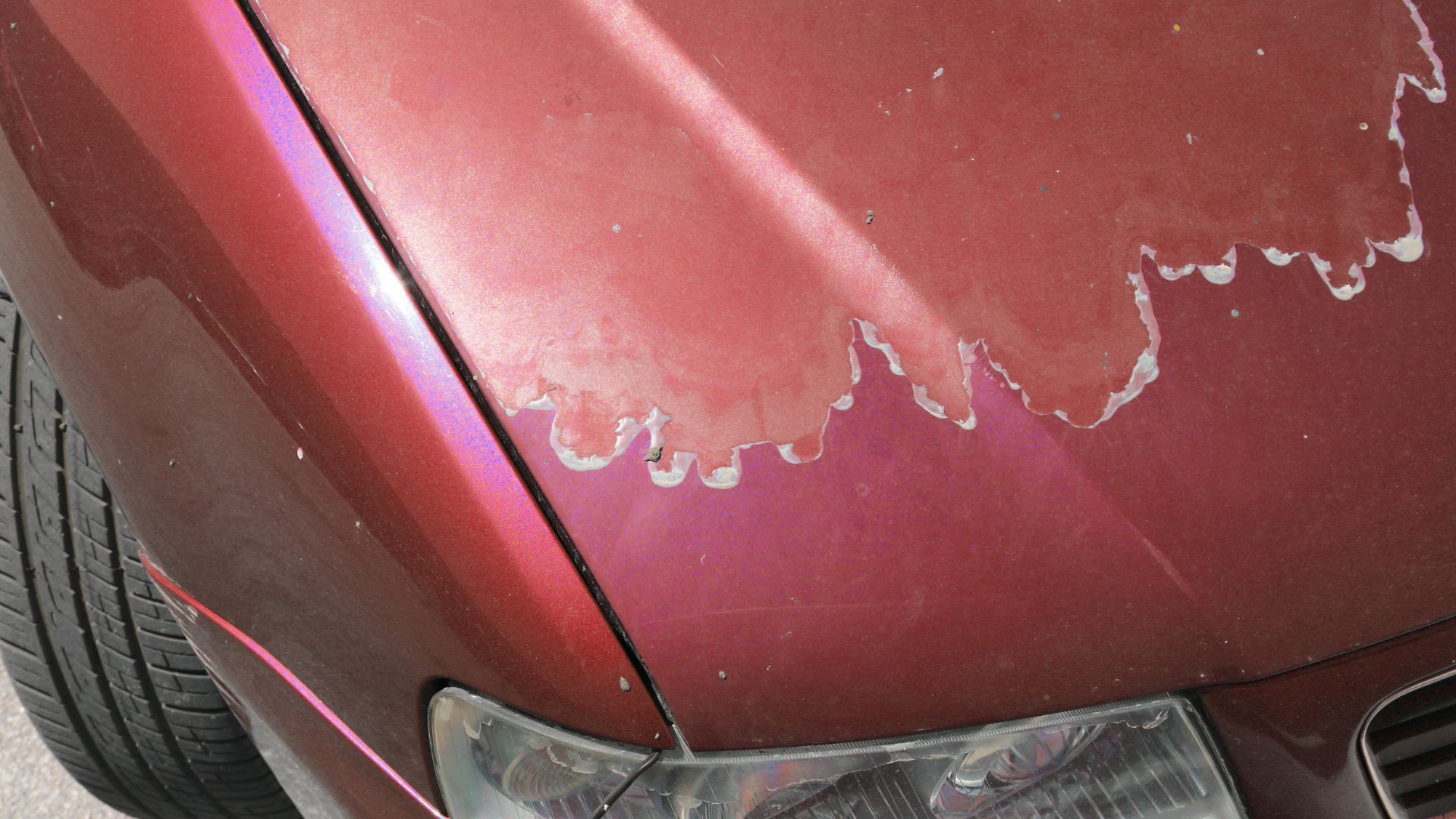
Summer is a time for road trips, beach outings, and sunny drives, but it’s also the season when your car’s paint is at the highest risk of damage. The intense heat, UV rays, and environmental contaminants can cause fading, oxidation, and deterioration of your vehicle’s exterior. Understanding the effects of summer heat on your car’s paint and taking proactive steps to protect it will help maintain its appearance and resale value. At Morrow Collision Center, we specialize in keeping your car looking its best, no matter the season. 


How Summer Heat Damages Your Car’s Paint 


  1. UV Rays and Oxidation 
    Just like prolonged sun exposure can harm your skin, UV rays can break down your car’s clear coat, leading to paint fading and oxidation. Over time, this exposure results in a dull and chalky appearance, making your car look older than it is. 
  2. Extreme Temperatures 
    High temperatures cause paint expansion and contraction, which can lead to cracks, peeling, and an overall weakened exterior. This damage is especially common in areas with prolonged summer heat waves. 
  3. Acidic Contaminants 
    Summer increases the presence of contaminants such as bird droppings, tree sap, and bug splatter. The heat accelerates their corrosive effects, leading to permanent stains and etching on the paint if not removed promptly. 


How to Protect Your Car’s Paint This Summer 


  1. Regular Washing and Waxing 
    Frequent washing removes dirt, dust, and contaminants before they can cause damage. Applying a high-quality wax or paint sealant creates a protective layer that shields your car from harmful UV rays and environmental pollutants. 
  2. Park in the Shade 
    Whenever possible, park in shaded areas, garages, or under carports to reduce direct sun exposure. Using a car cover is also a great option for long-term protection. 
  3. Use Paint Protection Film or Ceramic Coating 
    For long-lasting defense against heat and UV damage, consider applying a paint protection film or ceramic coating. These solutions provide an extra barrier against the elements, keeping your car’s paint looking pristine. Contact Morrow Collision Center to inquire more about this service.
  4. Keep Your Car Hydrated with a Spray Sealant 
    Applying a spray sealant or detailer with UV protection between washes helps maintain a protective layer and enhances your car’s shine. 
  5. Remove Contaminants Immediately 
    Bird droppings, bug splatter, and tree sap should be cleaned off as soon as possible. Using a gentle cleaning solution and microfiber cloth prevents permanent stains and damage. 


The summer heat can take a serious toll on your car’s paint, but with proper care and maintenance, you can protect it from fading, oxidation, and other damage. At Morrow Collision Center, we offer professional detailing, paint protection, and repair services to keep your car looking like new. If your vehicle’s paint has suffered from the summer elements, our expert team is here to restore its beauty and shine. 


Contact Morrow Collision Center today to learn more about our paint protection and restoration services! 

Share


More Blog Posts
December 11, 2025
Winter in Nebraska brings beauty, snow‑covered landscapes, cozy evenings, and holiday cheer. But for drivers, winter also brings challenges: icy roads, reduced visibility, surprise snowstorms, and slick pavement. At Morrow Collision , we know that a little preparation and cautious driving can make all the difference between a safe trip and a visit to our repair shop. Whether you drive daily or just occasionally, here are our top recommendations to help you stay safe on the road and minimize the risk of damage to your vehicle. 1. Prepare Your Vehicle Before snow hits, take time to get your car winter ready. Small maintenance checks can pay off big. Inspect tires: Cold temperatures lower tire pressure, and worn treads lose grip on snow or ice. Check lights and wipers: Dark, early nights and snow‑or salt‑covered roads demand clear visibility. Ensure headlights, brake lights, turn signals, and taillights work properly. Fill essential fluids and top off gas: A fuller tank can help reduce the risk of fuel line freeze and ensures you have enough fuel if you get stuck or delayed. Stock a winter emergency kit: Include a snow shovel, ice scraper, flashlight, jumper cables, blankets, snacks, water, and a phone charger. 2. Drive More Carefully Winter roads require winter-ready driving habits. Even good tires and a maintained car won’t prevent all accidents, it’s your driving habits that matter most. Slow down and increase following distance: Lower your speed and give yourself extra space between vehicles. Avoid sudden moves: Accelerate, brake, and steer gently. Stay alert to black ice and shaded spots: Bridges, overpasses, and shaded corners freeze first and may hide thin ice layers that are hard to spot. Don’t rely on cruise control or aggressive driving: In winter conditions, cruise control can make it harder to maintain control. 3. Maintain Full Visibility Before you even back out of the driveway, make sure your vehicle is safe and visible. Clear all windows, mirrors, lights, hood, and roof: Snow or ice left on the top of a vehicle can slide down and block your windshield or fly off and endanger other drivers. Use winter-grade washer fluid and ensure wipers work: Snow, slush, road salt, and ice accumulation reduce visibility fast. Good winter fluid and fresh wiper blades help keep your view clear. 4. Plan Ahead When there is a bad snowstorm, the safest option is waiting and not speeding through it. Check the weather and road conditions before you go: I f heavy snow, ice, or blizzard conditions are forecasted, consider postponing nonessential travel. Allow extra time: Snow and ice slow you down. Give yourself plenty of time to reach your destination. Have a backup plan: If conditions worsen or visibility drops, pull over safely and wait it out. 5. Know What to Do if You Get Stuck or Skid Even with the best preparation, winter can be unpredictable. Having a plan if things go sideways can keep you safe. If you skid, stay calm: Don’t slam on brakes. Ease off the accelerator and steer gently in the direction you want to go. Stay with your vehicle if it is stranded: Once you’re off the road, clear snow from the exhaust pipe and run the engine only intermittently to prevent carbon monoxide buildup. Use your emergency kit if needed: Blankets, water, snacks, and essentials like a flashlight or phone charger could make a difference if you’re stuck for hours. 6. After Any Incident — Trust Morrow Collision to Help Despite all precautions, sometimes slipping on ice or an unexpected patch of black ice leads to a collision. When that happens, you want trustworthy, experienced help. That’s where Morrow Collision comes in. We specialize in repairing winter-related damage from cracked bumpers and dents to frame damage and helping you get back on the road safely and quickly. We also recommend getting a winter inspection after any accident: tires, brakes, alignment, and suspension are all especially vulnerable during cold weather crashes. Addressing them promptly can prevent long-term damage and improve safety. Stay Safe, Stay Prepared, and Drive Smart This Winter Winter driving doesn’t have to be dangerous. Not if you prepare carefully, adapt your driving habits, and stay alert. With the right approach, you can protect yourself, your passengers, and your vehicle all season long. If you do encounter trouble and need professional collision repair or maintenance, Morrow Collision is ready to help. Contact us or visit us at one of our 3 Lincoln locations. Safe travels, and here’s to making it through winter with confidence and care.
November 12, 2025
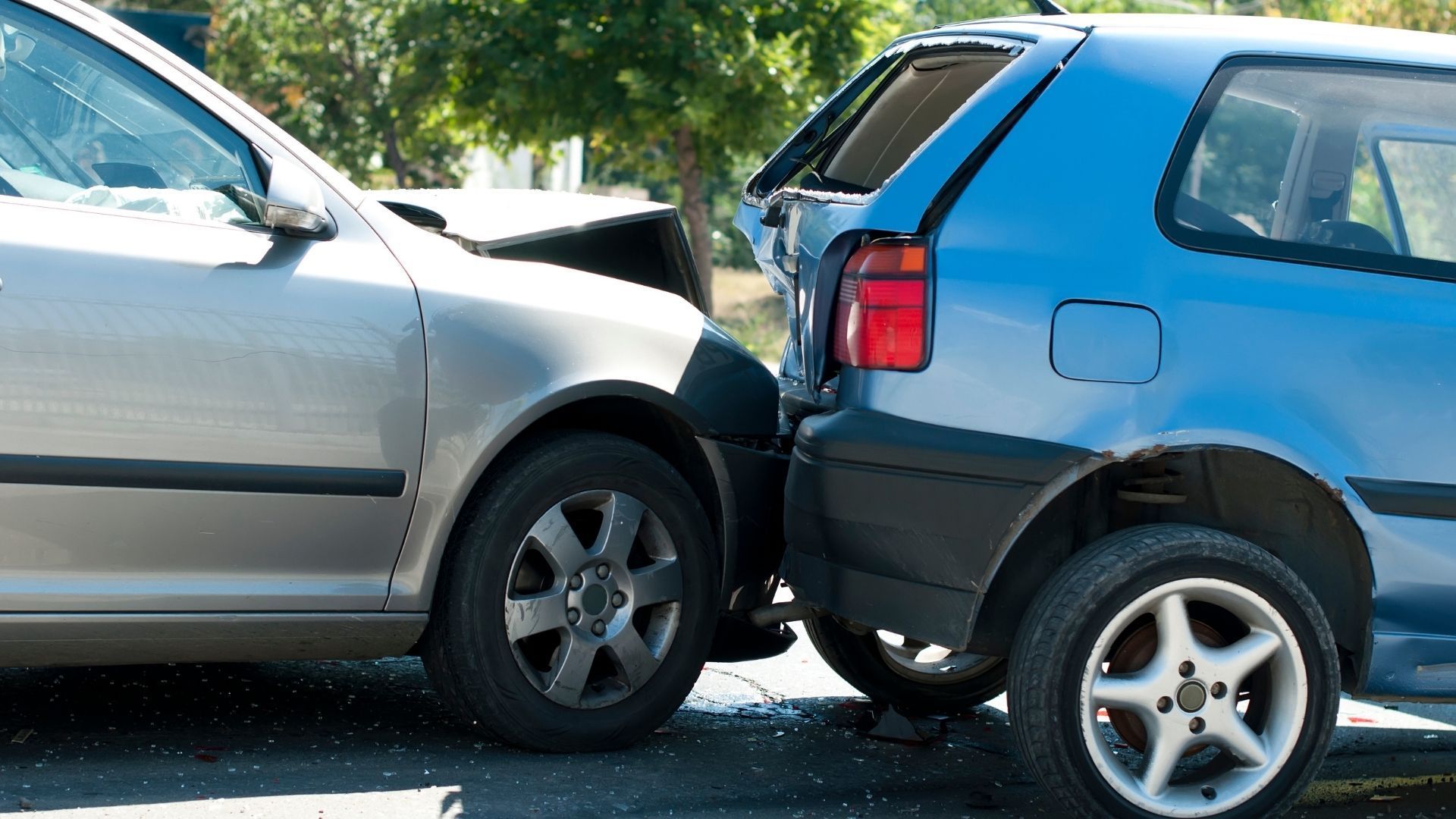
Being involved in a vehicle accident is stressful and navigating insurance claims afterward can feel overwhelming. At Morrow Collision , we pride ourselves on helping drivers in Lincoln and the surrounding areas understand and manage the claims process, so your repairs go smoothly, and you get back on the road faster. Here’s what to expect and how to make informed decisions after an accident. 1. Prioritize Safety & Document the Scene Right after an accident, make safety your priority: Check for injuries and call 911 if needed. Move your vehicle (if safe) to a shoulder or safe spot. Photograph the scene: all vehicles involved, license plates, surrounding context, damage close-ups, road signs, skid marks. Exchange contact, insurance, and vehicle info with other parties. Collect witness names and contact info, if available. File a police report (if required in your jurisdiction). Having solid documentation is crucial when filing an insurance claim and later negotiating repair coverage or liability. 2. Contact Your Insurance Company Early Notify your insurer as soon as possible because many policies require prompt reporting. When you call: Provide your policy number and accident details (time, location, parties involved). Submit your photos and documentation. Ask your insurer whether they require you to get estimates from their approved shops or whether you may choose your own repair facility. Clarify which repairs or parts are covered, deductible amounts, and whether rental car coverage is included. Be clear and concise in your descriptions, and keep records of every call (date, time, agent’s name, and summary of the conversation). 3. Choose Your Repair Shop (Smart Decision) While some insurers encourage or mandate using their network shops, you should know your rights and options: Morrow Collision works with all auto insurance companies (insurance-agnostic), so you’re free to bring your vehicle to us. Our I-CAR Gold certified technicians ensure repairs meet modern safety standards and follow manufacturer guidelines. We offer lifetime warranties on repairs to back the quality of our work. We assist with the estimate and billing processes, helping to reduce stress. For your convenience, we provide mobile estimates, vehicle pick-up/delivery, and after-hours key drop options. Choosing a shop that assists with claims and maintains transparency can make a big difference in your experience. 4. Obtain a Detailed Estimate & Review It Carefully Once you’ve selected a repair shop: The shop (or insurer’s appraiser) will inspect your vehicle, including hidden damage (structural, frame, mechanical) that may not be obvious upfront. Request a line-item estimate: parts, labor, paint, additional charges. Compare with your insurer’s estimate to identify discrepancies. Ask your repair shop to justify “supplement” costs (e.g. hidden damage discovered later). Be wary of “cheap” estimates, as they may cut corners. Ensure OEM or quality aftermarket parts are used unless you explicitly agree otherwise. A clear, detailed estimate helps prevent surprises down the road. 5. Understand Your Rights & Responsibilities Right to choose repair facility: In many states, policyholders have the right to select which auto body shop repairs their vehicle, even if the insurer recommends one. Deductibles and out-of-pocket costs: Be clear on what portion you’re responsible for. Dispute resolution: If you disagree with the insurer’s assessment, consult your repair shop. Many shops, like Morrow Collision, offer assistance negotiating with insurers. Rental car coverage: If your policy includes it, the insurer should cover a rental while your vehicle is repaired. Ensure that the shop coordinates this or informs you how to get reimbursed. Knowing these rights helps you avoid surprises or under-compensation. 6. Stay Informed & Communicate Throughout the Repair Transparency and communication are key: Ask your repair shop for progress updates like what’s completed, what’s delayed, and why. Keep photos of your car’s condition before, during, and after repairs. If new damage is found during repair, approve any additional work (often called “supplemental repairs”) before it proceeds. Coordinate with your insurer to approve additional costs, delays often stem from waiting for supplemental approval. Maintain open lines: shop, insurer, rental agency (if applicable), and yourself. At Morrow Collision, we strive to keep you updated at every step, so you feel informed and confident. 7. Final Walkthrough & Quality Assurance Once repairs finish: Inspect the vehicle carefully together with the shop representative. Check alignment of panels, paint matching, gap tolerances, and ensure all features (lights, sensors, electronics) work. Ask the shop to demonstrate any changed systems (e.g., adaptive sensors, parking assist). Retain all paperwork, receipts, parts replaced, and warranty documents. If problems arise later (e.g., paint defect, misalignment), contact the shop promptly. Morrow Collision stands behind their work with warranties. 8. Learn & Prepare for the Future After your claim and repair experience: Reflect on what went smoothly and what didn’t, like insurance responsiveness, communication, delays. Choose an insurer and shop relationship that prioritizes clarity and customer service for future coverage. Keep a digital folder of all accident and repair records because it can help with resale, future claims, or disputes. Consider reviewing your auto insurance policy annually to ensure your coverage, deductibles, and shop choice rights still suit you. Navigating Claims with Confidence & Quality Repairs Navigating an insurance claim after an accident doesn’t have to add anxiety to an already stressful situation. By knowing your rights, documenting carefully, choosing a repair shop you trust, reviewing estimates, and staying in the loop throughout the process, you position yourself for a fair outcome and quality repair. If you’ve been in an accident and need a shop that works with insurance companies (not for them), contact Morrow Collision today. Our team in Lincoln, NE, is ready to guide you through every step from estimates, repairs, coordination, and deliver repairs you can rely on.