July 17, 2025

Why Paintless Dent Repair (PDR) is a Game-Changer

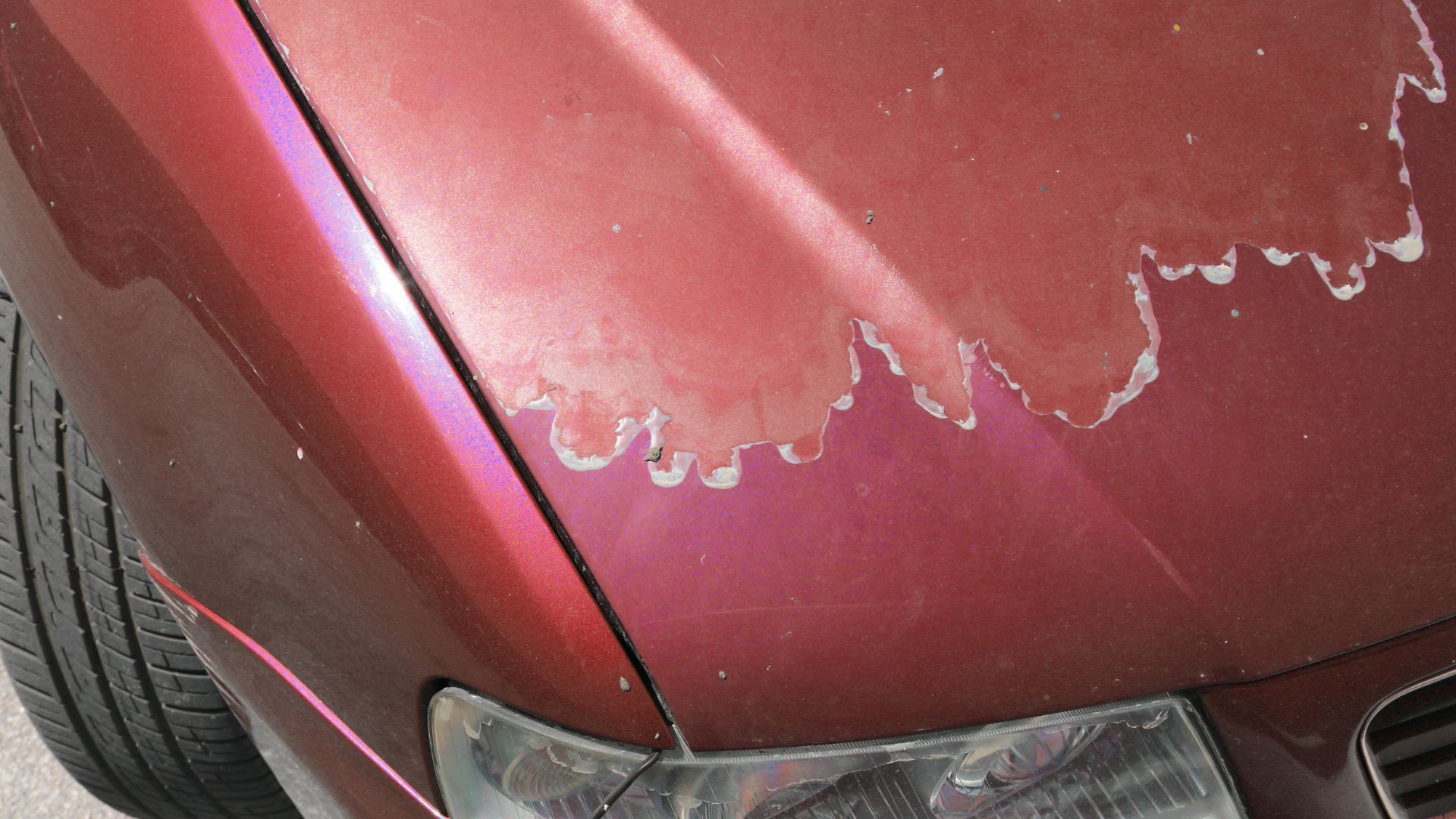
Dents happen, from rogue shopping carts to hailstorms and minor parking mishaps. But did you know that many dents can be fixed without repainting? Paintless Dent Repair (PDR) offers an eco‑friendly, fast, and cost-effective alternative to traditional dent repair. In this guide, we’ll dive into what PDR is, how it works, and why choosing Morrow Collision Center is the right call for your vehicle. 


What Is Paintless Dent Repair? 

Paintless Dent Repair is a method of removing minor dents without the need for traditional body fillers or repainting. Using specialized tools, our technicians carefully massage dents from the back side of the panel, restoring it to its original shape and finish. This process preserves your vehicle’s factory paint and avoids the hassle of color matching. 


How PDR Works and When It’s Appropriate 

PDR typically works best on: 


  • Small to moderate-sized dents, including door dings, hail damage, and minor creases 
  • Areas where the paint remains intact 
  • Flat or gently curved panels (doors, fenders, hoods) 


Here’s the basic process we follow: 


  1. Damage Assessment – Our team inspects the dent to confirm it’s a good PDR candidate. If the paint is cracked or panel creasing is severe, traditional repair may be recommended. 
  2. Access Panel Creation – We carefully remove interior panels or trim to access the back of the dented area. 
  3. Precision Dent Massaging – Using specialized rods and tools, we slowly massage the metal back into shape, monitoring finesse and detail as we go. 
  4. Finishing Touches – After the dent is removed, any high spots are smoothed out, restoring the panel's factory finish with no paintwork needed. 


Benefits of Paintless Dent Repair 

Faster Turnaround Time 

PDR is often completed in just a few hours or less, compared to days with traditional methods. Perfect when time is of the essence. 


Cost‑Effective 

With no need for filler, sanding, or repainting, PDR is often much less expensive than body shop alternatives. 


Preserves Vehicle Value 

Maintaining your original factory paint helps prevent potential resale or insurance issues. 


Eco‑Friendly 

PDR avoids chemical paints and fillers, making it a greener choice for dent removal. 


Why Drivers Trust Morrow Collision Center for Dent Repair 

Choosing the right shop for dent repair isn’t just about price, it’s about peace of mind. At Morrow Collision Center, we’re known throughout Lincoln, NE and surrounding areas for providing fast, honest, and professional service. 


Here’s what sets us apart when it comes to paintless dent repair: 


Locally Owned & Customer-Focused 

We’re proud to be a local business with a reputation built on trust. Our customers return to us—and refer friends because we take the time to explain your options and deliver quality results every time. 


Honest Assessments 

Not every dent is right for PDR, and we’ll always be upfront if traditional repair is the better choice. You’ll never get a one-size-fits-all pitch from us. 


Quick Turnaround Times 

We know your time is valuable. That’s why we streamline scheduling and work efficiently to get you back on the road as soon as possible. 


Final Thoughts 

Paintless Dent Repair is an intelligent solution for minor dents: efficient, cost-effective, and environmentally friendly. Whether you’ve got a fresh ding or want to prepare for resale, PDR can save you time, money, and hassle. 


Ready to restore your ride? Contact Us to schedule a PDR appointment today! 

Share


More Blog Posts
February 17, 2026
Being involved in an accident is stressful enough without the added uncertainty of not knowing what happens next. For many drivers, the collision repair process can feel confusing, especially if it’s their first time dealing with vehicle damage, insurance claims, and repair timelines. At Morrow Collision Center , helping customers feel informed and confident is just as important as delivering high-quality repairs. This guide walks through the collision repair process step by step, from the initial estimate to the moment you pick up your fully repaired vehicle. Step 1: Scheduling an Estimate The collision repair process begins with an estimate. This is an assessment of the visible damage to your vehicle and an initial projection of the repairs needed. During this step, technicians evaluate areas such as body panels, bumpers, lights, and structural components that may have been impacted in the accident. In many cases, damage beneath the surface may not be immediately visible. An estimate provides a starting point for repairs, but it may be updated later if additional damage is discovered during disassembly. Clear communication during this phase helps set expectations for cost, scope, and timeline. Step 2: Insurance Coordination After the estimate is completed, the next step often involves working with your insurance company. Collision repair shops frequently coordinate directly with insurers to submit estimates, photos, and documentation needed for claim approval. This process helps ensure repairs align with insurance guidelines while still meeting safety and quality standards. While insurance companies play a role in the approval process, vehicle owners have the right to choose where their repairs are completed. Step 3: Vehicle Disassembly and Damage Review Once repairs are approved, the vehicle is partially disassembled, so technicians can inspect areas that are not visible during the initial estimate. This step allows the repair team to identify any hidden damage to structural components, safety systems, or internal parts. If additional repairs are required, a supplemental estimate may be created and submitted for approval. While this can slightly impact timelines, it ensures that all damage is properly addressed rather than overlooked. Step 4: Structural and Body Repairs After the full scope of damage is confirmed, structural and body repairs begin. This may include straightening the frame, repairing or replacing damaged panels, and restoring the vehicle’s shape and integrity. Precision is critical during this stage. Modern vehicles are designed with advanced safety systems and specific structural tolerances, so repairs must be completed accurately to maintain crash protection and performance. Step 5: Paint Preparation and Refinishing Once structural and body repairs are complete, the vehicle moves into paint preparation. Surfaces are cleaned, sanded, and primed to ensure proper adhesion and a smooth finish. Paint is then carefully matched to your vehicle’s original color using advanced color-matching technology. At Morrow Collision Center, we take that precision a step further with MoonWalk automated paint mixing technology, a system designed to deliver extremely accurate, consistent mixes every time. In fact, we’re proud to have the 1st and 2nd MoonWalk systems in Nebraska, which helps us achieve a cleaner color match, better blend accuracy, and a factory-quality finish across every panel. After painting, a clear coat is applied to protect the finish and provide long-lasting durability. Step 6: Reassembly and Quality Control After painting, the vehicle is reassembled. This includes reinstalling trim, lights, mirrors, and any mechanical or electronic components that were removed during repairs. Quality control checks are performed to verify that repairs meet safety standards and manufacturer guidelines. Technicians inspect panel alignment, paint finish, and functionality of vehicle systems to ensure everything is operating properly before the vehicle is returned to the owner. Step 7: Final Inspection and Vehicle Pickup The final step is a thorough inspection and detailing of the vehicle. Once complete, customers are notified that their vehicle is ready for pickup. At this point, the repair team may review the completed work, answer any questions, and provide guidance on care recommendations following repairs. The goal is to ensure customers leave with confidence, knowing their vehicle has been repaired correctly and safely. Why Understanding the Process Matters Knowing what to expect during the collision repair process helps reduce stress and uncertainty. From estimate to finish, each step plays an important role in restoring your vehicle’s safety, appearance, and performance. At Morrow Collision Center, transparency and clear communication are key parts of the customer experience. Understanding the process empowers vehicle owners to make informed decisions and feel confident throughout their repair journey. Trusted Collision Repair You Can Count On If your vehicle has been damaged in an accident, choosing the right repair shop matters. With experienced technicians and a commitment to quality workmanship, Morrow Collision Center is dedicated to guiding customers through every step of the collision repair process. Contact Morrow Collision Center today to schedule an estimate and learn more about how we can help restore your vehicle from estimate to finish. Check out our new location in Southwest Lincoln located at 1241 Aries Dr, Lincoln, NE 68512!
January 16, 2026
Winter driving doesn’t always result in a major accident, but that doesn’t mean your vehicle escapes unscathed. Snow, ice, freezing temperatures, and slick road conditions often lead to winter collision damage that drivers may not notice right away. At Morrow Collision , we regularly see vehicles come in during winter months with damage caused by minor impacts that went unnoticed at the time. Understanding how winter conditions affect your vehicle can help you recognize issues early and avoid more serious repairs later. Why Winter Causes Hidden Vehicle Damage Winter conditions increase the likelihood of low-speed impacts and sudden jolts. Sliding into a curb, brushing against a snowbank, or hitting a pothole hidden under snow may not seem serious, but these incidents can still affect your vehicle’s structure and performance. Cold temperatures can also make materials more brittle, meaning parts may crack or shift more easily during winter impacts. As a result, winter collision damage is often less visible but just as important to address. Common Types of Winter Collision Damage Suspension and Alignment Issues One of the most common types of winter collision damage involves suspension and alignment. Sliding on ice or striking a curb can knock wheels out of alignment or stress suspension components. You may notice subtle signs such as your vehicle pulling to one side, steering feeling less responsive, or uneven tire wear. These issues can worsen over time if not addressed. Bumper and Reinforcement Damage Modern bumpers are designed to absorb impact, even during low-speed collisions. Hitting ice piles, snowbanks, or another vehicle can damage internal bumper components without leaving obvious exterior damage. Damage to bumper reinforcements can reduce your vehicle’s ability to protect you in a future collision, making professional inspection especially important during winter months. Underbody Damage from Hidden Road Hazards Snow-covered roads often hide potholes, ice chunks, and debris. Impacts underneath the vehicle can damage splash shields, exhaust components, or structural areas. Underbody winter collision damage may lead to rattling noises, leaks, or increased corrosion if left unaddressed. Advanced Safety System Misalignment Many vehicles rely on cameras and sensors for safety features such as collision warnings and driver-assist systems. Even minor winter impacts can affect sensor alignment or accuracy. While warning lights don’t always appear immediately, misaligned systems can reduce effectiveness and compromise vehicle safety. Why Winter Is the Right Time for a Damage Inspection January is one of the busiest months we see for winter collision damage inspections. Road conditions are often at their worst, and vehicles are under constant stress from cold temperatures and slick surfaces. A professional inspection during winter can: Identify damage that isn’t visible from the outside Catch alignment or suspension issues early Ensure safety systems are functioning properly Prevent minor damage from turning into major repairs Provide documentation for insurance claims if needed Addressing issues promptly helps maintain safety and reliability throughout the winter season. What Happens If Winter Collision Damage Is Ignored? Ignoring winter collision damage can lead to increased wear on tires, reduced fuel efficiency, handling issues, and higher repair costs later. Structural or suspension problems may worsen with continued winter driving, especially when roads remain icy and uneven. What starts as a minor winter incident can quickly become a more serious mechanical or safety concern. How Morrow Collision Helps During the Winter Months At Morrow Collision, we understand the unique challenges winter driving places on vehicles. Our team is experienced in identifying and repairing damage caused by icy conditions, low-speed impacts, and hidden road hazards. We focus on thorough inspections, quality repairs, and restoring your vehicle to proper condition so it’s safe and reliable for continued winter driving. Whether damage is obvious or hidden, our goal is to ensure nothing is overlooked. When Should You Have Your Vehicle Checked? If your vehicle has slid, hit a curb, or been involved in any type of winter incident, even if it seemed minor, it’s worth having it inspected. Changes in how your vehicle handles, unusual noises, or visible damage are all signs that winter collision damage may be present. Even if you’re unsure, a professional evaluation can provide peace of mind. Stay Confident on the Road This Winter We’re excited to better serve Lincoln with our new southwest location! Morrow Collision is now open at 1241 Aries Dr, Lincoln, NE 68512 , making it even more convenient to get expert collision repairs you can trust. Whether you’ve been in a minor fender bender or need more extensive repairs, our experienced team is ready to help, now closer to home for our southwest Lincoln neighbors. Contact Morrow Collision today to schedule a winter damage inspection and make sure your vehicle is ready for the rest of the season.